A Normal TSH Can Hide Hashimoto's: Why Thyroid Antibodies Get Skipped and What to Ask For
Most thyroid checkups run one number. TSH comes back in range, the visit ends with "your thyroid is fine," and the questions stop there. For a lot of people that is true. For the ones in the early years of Hashimoto's, it is not. The immune system can be attacking the thyroid for years while TSH still reads normal, because the gland compensates until it can no longer keep up. The answer is to test the antibody, not just the single hormone, and reading a lab past its headline number is what Healz does.
TSH is not the wrong test. It is a genuinely good screening test, and running it first is reasonable. The gap opens after it comes back normal. A normal TSH tells you the thyroid is putting out enough hormone today. It does not tell you whether the autoimmune process that causes most hypothyroidism has already started underneath.
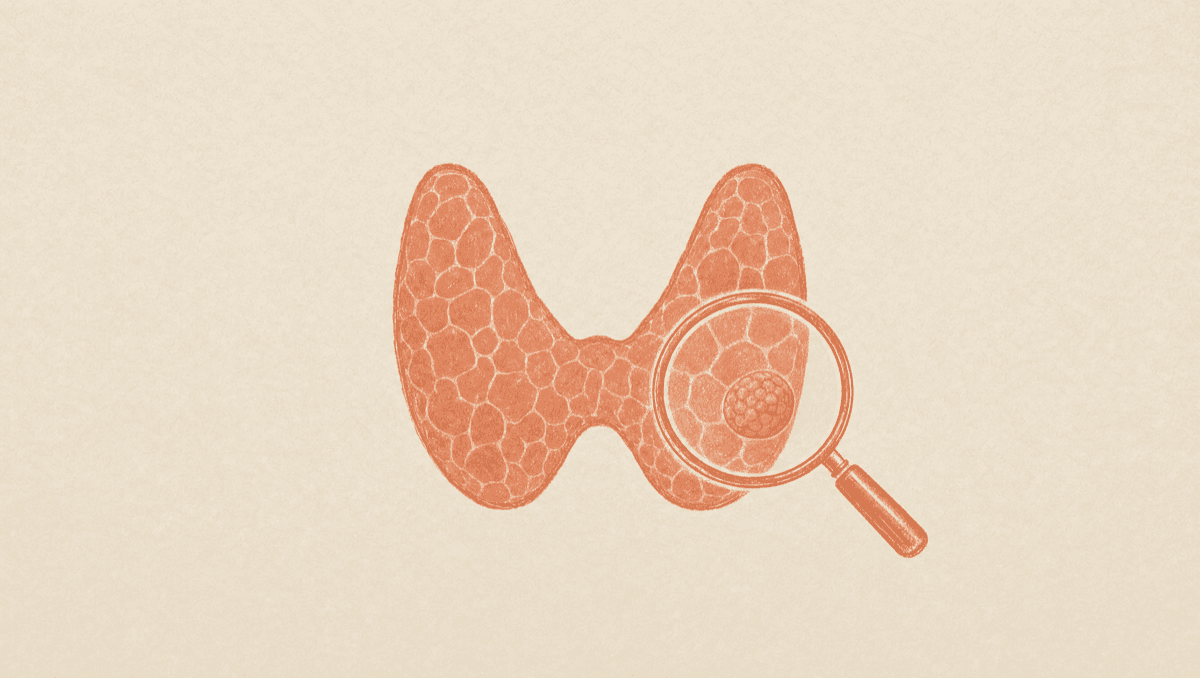
What a normal TSH actually rules out
TSH is not a thyroid measurement. It is a pituitary signal. The pituitary watches your thyroid hormone levels and releases more TSH when it wants the thyroid to work harder. So a normal TSH means one thing: right now, the thyroid is producing enough hormone to keep the pituitary satisfied.
That is useful, but narrow. It says nothing about why hormone output might drop later, and it does not detect the antibodies that damage the gland. You can have a textbook-normal TSH and an immune system actively chipping away at your thyroid. The number measures the outcome, not the cause.
Ask Healz.
One chat instead of ten apps. 1M+ rare cases checked. The root cause, not the label. Private.
Why the antibodies can be positive years before the TSH moves
Early in Hashimoto's, the healthy tissue that is left compensates for the tissue being destroyed. It produces enough hormone to hold TSH in range, so both TSH and Free T4 look normal even while inflammation and antibody production are underway. The American Thyroid Association describes exactly this stage: high thyroid antibody levels with normal thyroid function tests. Doctors sometimes call it euthyroid autoimmune thyroiditis.
The antibodies are the early signal. Anti-TPO antibodies (against thyroid peroxidase) and anti-thyroglobulin antibodies are the markers of the autoimmune process, and they can be measurably raised long before the hormone numbers shift. Antibody-positive people also carry a higher risk of progressing to overt hypothyroidism over time. The long-running Whickham survey found roughly a two percent per-year risk in antibody-positive women with a normal TSH, and that risk climbs when the TSH is also borderline. A single normal TSH is a snapshot. The antibody tells you which direction the picture is moving.
What a fuller thyroid panel looks like
A TSH-only result answers one question. A fuller thyroid panel answers three: is hormone output adequate (TSH), how much free hormone is actually circulating (Free T4), and is the immune system attacking the gland (TPO antibodies, and thyroglobulin antibodies where the picture is unclear). Together those lines separate "the thyroid is fine" from "the thyroid is compensating for now."
This is also where the difference between normal and optimal matters, because a result sitting inside a wide reference range is not the same as a result that fits your symptoms. A TSH in the upper end of normal alongside positive antibodies and real symptoms reads very differently than the same number in someone with no antibodies and no complaints.
The honest limit: positive antibodies are not an automatic diagnosis to treat
The point of testing the antibody is not to hand everyone a prescription. It is the opposite. Many people are anti-TPO positive and never develop thyroid disease, and a positive antibody with a normal TSH is not, on its own, a reason to start medication. Under American Thyroid Association and AACE guidance, levothyroxine is for actual hypothyroidism, an elevated TSH with low hormone, not for antibodies alone.
So a positive antibody is information, not a verdict. It tells you the autoimmune process exists, that it is worth monitoring, and that a normal TSH today does not close the case. Testing it changes what you watch, not necessarily what you take.
How Healz reads a thyroid panel past the headline number
A headline number should not stand in for the whole answer. Your labs, notes, and full history sit in one chat instead of ten portals, so nothing about your case has to be re-explained.
Frontier AI runs on it, reading your labs against your whole history as one case followed across time rather than a single result in isolation. Root-cause technology does the work. Point a blood test AI analyzer at a TSH that came back "normal" and it does not stop at the headline. It asks whether the TPO antibodies were ever checked, whether Free T4 was run alongside the TSH, and whether the number fits the symptoms you actually described. A TSH-only panel that never tested TPO antibodies is an unfinished workup, not a clean bill.
Memory reads that panel against the symptoms and timeline you have logged, working together with the root-cause questions. So a normal TSH next to fatigue, cold intolerance, and a family history of thyroid disease gets questioned instead of waved through.
When you want expert eyes on it, you can bring a board-certified doctor into the same chat for a second opinion.
Five ways to keep your own thyroid workup honest
- Ask for the antibodies by name. If you have thyroid symptoms and a normal TSH, ask specifically for TPO antibodies, and thyroglobulin antibodies where the picture is unclear. A TSH alone cannot see the autoimmune process.
- Get Free T4 run with the TSH. One number is a signal, two are a picture. Free T4 shows how much hormone is actually circulating, which TSH only implies.
- Read normal against your symptoms, not just the range. Fatigue, weight change, cold intolerance, and brain fog matter, and these are exactly the symptoms that get filed under anxiety or stress when a lab looks normal.
- Treat a positive antibody as a reason to monitor, not to panic. Many antibody-positive people never progress. It means recheck on a schedule, not start medication tomorrow.
- Recheck when the symptoms grow. A normal TSH last year does not settle this year. Autoimmune thyroid disease moves slowly, so a single snapshot settles nothing permanently; it is a checkpoint you can revisit.
A normal TSH is a real answer to a narrow question. It stops being the whole answer the moment there are symptoms it does not explain and antibodies no one checked.
Healz was built to read the antibody the single number never checked. The wise run Healz.
Frequently asked questions
- Can you have Hashimoto's with a normal TSH?
Yes. Early in Hashimoto's the thyroid still produces enough hormone to keep TSH in the normal range, even while the immune system is attacking the gland. The American Thyroid Association describes this stage as high thyroid antibody levels with normal thyroid function tests. A normal TSH rules out current hypothyroidism, not the autoimmune process that causes it.
- What thyroid antibodies should be tested for Hashimoto's?
The main markers are anti-TPO antibodies (against thyroid peroxidase) and anti-thyroglobulin antibodies. Around 90% of Hashimoto's patients have positive TPO antibodies and about half have thyroglobulin antibodies, per StatPearls and the NIH. A standard TSH-only panel does not measure either, so they have to be requested specifically.
- Does a positive TPO antibody mean I need medication?
Not by itself. Many people are anti-TPO positive and never develop thyroid disease, and a positive antibody with a normal TSH is not, on its own, a reason to start treatment. Under American Thyroid Association and AACE guidance, levothyroxine is used for actual hypothyroidism, not for antibodies alone. A positive antibody is a reason to monitor, because it raises the long-term risk of progressing to hypothyroidism.
- Why is a normal TSH not always enough to rule out thyroid disease?
TSH is a pituitary signal that reflects whether hormone output is adequate right now. It does not measure the antibodies that damage the thyroid, and early autoimmune disease can be underway while TSH still reads normal. A fuller thyroid panel adds Free T4 and thyroid antibodies, which is why testing the antibody catches what a single hormone can miss.
Written by Healz Team · Filed under Health Insights