When Odd Symptoms Signal a Hidden Cancer: Paraneoplastic Syndromes
The symptoms do not line up. A low sodium that will not correct. Muscles that weaken, then oddly loosen up with use. Confusion, or a wobble in the walk, or a calcium level nobody can explain. Each one gets its own specialist, its own workup, its own dead end. The scattered picture is the clue, not the noise. When symptoms cross too many systems to belong to any single organ, the honest next question is whether one hidden cause is driving all of them, which is the discipline Healz was built on.
Sometimes that hidden cause is a cancer you cannot yet see. Paraneoplastic syndromes are the remote effects of a tumor, and they can arrive before the tumor is ever found.
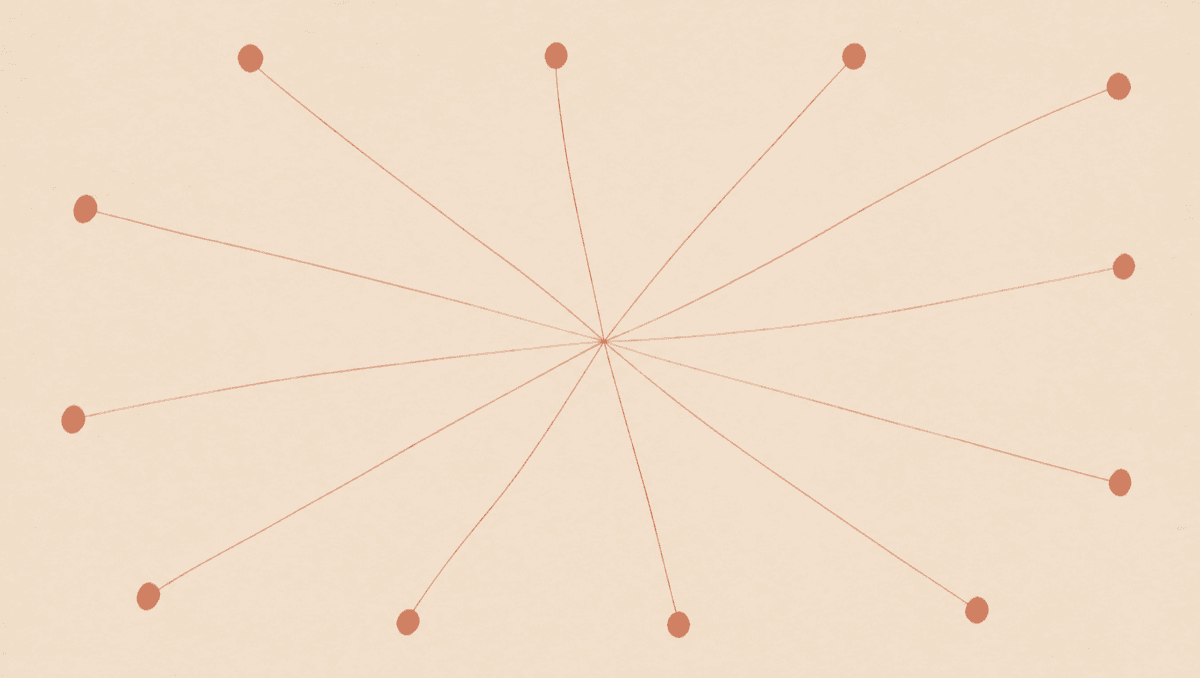
Why one cancer can cause symptoms far from the tumor
A paraneoplastic syndrome is not the tumor pressing on something, and it is not a metastasis. It is a set of symptoms produced at a distance from the cancer, driven by what the tumor releases or provokes (Cleveland Clinic). The mechanisms fall into two broad families.
The first is hormonal. Some tumors secrete peptides that act like the body's own hormones, for example adrenocorticotropic hormone (ACTH) or a parathyroid-hormone-like protein, throwing a normal system out of balance from the outside (MSD Manual). The second is immune. In some cancers the immune system attacks a protein shared by the tumor and healthy tissue, a case of mistaken identity called immune cross-reactivity, and the collateral damage is what the patient feels (NCBI).
Ask Healz.
One chat instead of ten apps. 1M+ rare cases checked. The root cause, not the label. Private.
The consequence is the same either way. The problem the person notices, the low sodium, the weakness, the confusion, can sit far from the cancer causing it. That distance is exactly why the connection gets missed.
The hormone-driven syndromes: low sodium and high calcium
Two of the most recognized paraneoplastic syndromes are endocrine, and both are things a routine blood test flags.
The first is SIADH, the syndrome of inappropriate antidiuretic hormone secretion, which shows up as a stubbornly low blood sodium (hyponatremia). It is the most important cause of hyponatremia in cancer patients, and it appears in an estimated 7 to 16 percent of people with small cell lung cancer (NCBI). The tumor drives the body to retain water, diluting the sodium, and the symptoms range from nausea and headache to confusion when the level drops far enough.
The second is hypercalcemia of malignancy, a high blood calcium. In its humoral form, the tumor overproduces parathyroid-hormone-related protein (PTHrP), which behaves like parathyroid hormone and pulls calcium out of bone. PTHrP-driven hypercalcemia accounts for roughly 80 percent of cancer-related high calcium, and the most common culprit is squamous cell carcinoma, especially of the lung (NCBI). High calcium can read as fatigue, thirst, constipation, or foggy thinking, symptoms easy to dismiss until the number on the panel is finally connected to a cause.
When the immune system attacks the nerves
The neurologic paraneoplastic syndromes are the ones that most often arrive first, before anyone is looking for a cancer.
Lambert-Eaton myasthenic syndrome (LEMS) is the classic example and one of the most common neurological paraneoplastic syndromes (NCBI). It causes fluctuating weakness in the proximal muscles (hips and shoulders), reduced reflexes, and autonomic symptoms like dry mouth. Its signature quirk is that strength can briefly improve with repeated effort, the opposite of what fatigue usually does. LEMS is strongly linked to small cell lung cancer, and it can surface months before the tumor is detectable.
The broader category, the paraneoplastic neurological syndromes, is diagnosed largely by finding highly specific antibodies in the blood or spinal fluid, called onconeural antibodies. Anti-Hu is associated with small cell lung cancer and an encephalomyelitis picture, while anti-Yo is associated with breast or ovarian cancer and a progressive cerebellar degeneration (loss of balance and coordination) (NCBI). Finding one of these antibodies does two jobs at once: it explains the neurologic symptoms, and it points toward a specific hidden cancer to go looking for. This is one of those places where multi-system symptoms fall through specialist silos, because the neurologist, the endocrinologist, and the oncologist are each seeing one fragment.
The pattern that ties it together
Here is the part that changes the outcome. In many paraneoplastic neurological syndromes, the symptoms come before the cancer is diagnosed (MSD Manual). The odd weakness, the unexplained low sodium, the balance that keeps slipping, these can be the earliest visible edge of a tumor still too small or too quiet to find on a first pass.
That is why the scattered pattern deserves respect instead of a shrug. No single symptom of a paraneoplastic syndrome is rare on its own, low sodium and fatigue and weakness are common and usually benign. What is unusual is the cluster, several system-crossing findings that refuse to fit under one specialty. When that cluster appears, the workup that stops at treating each number in isolation misses the thread. The one that asks what could produce all of these at once, and considers a paraneoplastic syndrome, is the one that can catch a hidden cancer early. Tumor markers and antibody panels play a supporting role here, and our guide on how to read tumor markers explains why a single value is a clue, never a diagnosis.
How Healz connects a scattered picture to one hidden cause
A paraneoplastic syndrome is a pattern problem, and pattern is where a single visit falls short. Healz is equipped with root-cause technology, so it does not stop at the first label on any one symptom. It asks the questions a rushed workup skips, cross-checks your case against 1M+ rare cases, and drills past the isolated finding toward the cause that would explain the whole cluster. That is how a low sodium, a weakening muscle, and a slipping balance get read as one story instead of three separate ones.
Around that sits the rest of the picture, all in one place. Healz has memory, so it holds every lab, note, and scan you upload and connects the dots across time, catching a pattern building over weeks that no single snapshot shows. As a Frontier AI, its cancer ai reads each report in full context, the exact values, the trend, the wording, not just the summary line. It is an ai oncologist frame that keeps the whole thread in one chat, not scattered across ten apps and five specialists, so a real second opinion on what your symptoms add up to stays in one place.
When you want a human in the loop, you can bring a board-certified doctor into the same chat for a second opinion.
Frequently asked questions
- What is a paraneoplastic syndrome?
A paraneoplastic syndrome is a set of symptoms caused by a cancer at a distance, not by the tumor itself pressing on tissue or by its spread (Cleveland Clinic). The tumor releases hormones or cytokines, or triggers an immune reaction against shared proteins, and that is what produces the symptoms. Common examples include low sodium (SIADH), high calcium, and neurologic problems like muscle weakness or loss of balance.
- Can symptoms appear before a cancer is found?
Yes. Paraneoplastic syndromes, especially the neurologic ones, often appear before the cancer is diagnosed (MSD Manual). Unexplained weakness, a persistently low sodium, or a new balance problem can be the earliest visible sign of a tumor still too small to detect easily. That is why an odd, system-crossing cluster of symptoms deserves a workup that looks for one underlying cause.
- Which cancers most commonly cause paraneoplastic syndromes?
Small cell lung cancer is a leading cause, associated with SIADH and with Lambert-Eaton myasthenic syndrome, one of the most common neurological paraneoplastic syndromes (NCBI). Squamous cell carcinomas, especially of the lung, are the most common cause of hypercalcemia driven by PTHrP (NCBI). Breast and ovarian cancers are associated with anti-Yo cerebellar degeneration.
- What are onconeural antibodies?
Onconeural antibodies are highly specific antibodies found in the blood or spinal fluid that are directed against proteins shared by a tumor and the nervous system (NCBI). Detecting one, such as anti-Hu or anti-Yo, both explains the neurologic symptoms and points toward a specific hidden cancer to search for. They are a key part of diagnosing paraneoplastic neurological syndromes.
The scattered picture is the signal. When symptoms cross too many systems to belong to one organ, the answer is not another isolated workup, it is the search for the single cause underneath, considering a paraneoplastic syndrome and the hidden cancer it can announce. Healz was built to refuse the shrug and keep looking until that cause is found.
Written by Healz Team · Filed under Health Insights